Address
304 North Cardinal St.
Dorchester Center, MA 02124
Work Hours
Monday to Friday: 7AM - 7PM
Weekend: 10AM - 5PM

Address
304 North Cardinal St.
Dorchester Center, MA 02124
Work Hours
Monday to Friday: 7AM - 7PM
Weekend: 10AM - 5PM
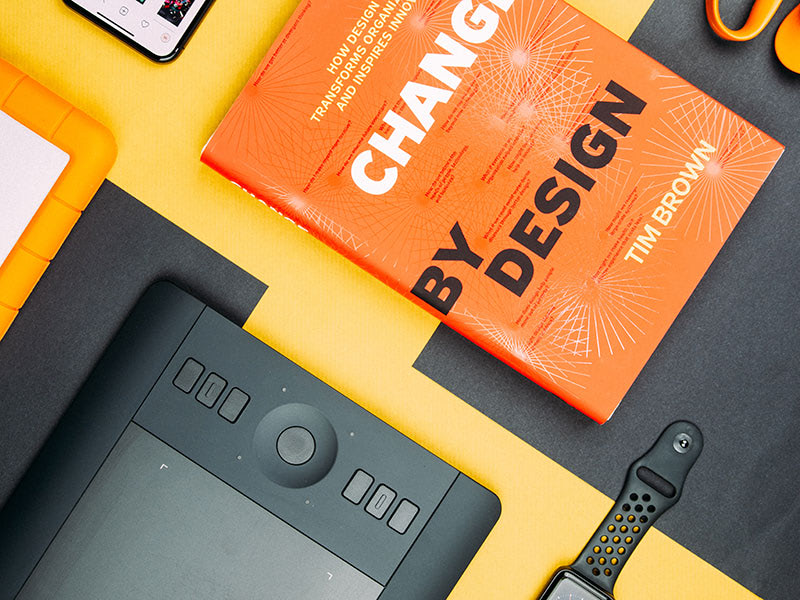
A beautiful website is great. But a website that’s beautiful AND converts visitors into paying customers? That’s the real goal. Over the years of building websites for businesses across industries, our team at FutureNovaLink has identified the seven elements that consistently separate great websites from mediocre ones.
Whether you’re building a brand new site or evaluating an existing one, use this list as your checklist for success.
1. Clear and Compelling Value Proposition
Within the first few seconds of landing on your homepage, a visitor should immediately understand: What do you do? Who do you serve? Why should they choose you?
Your hero section — the very top of your homepage — must answer these questions clearly and confidently. Avoid vague taglines like “We deliver solutions” and instead be specific: “We build high-converting websites for small businesses in the USA.” Specificity builds trust and keeps visitors engaged.
2. Fast Loading Speed
Page speed is not a nice-to-have — it’s a fundamental requirement. Google uses page speed as a ranking factor, and research shows that a 1-second delay in load time can reduce conversions by up to 7%.
Key factors that affect speed include:
• Image optimization (compress images without losing quality)
• Minimal use of heavy plugins and scripts
• Quality web hosting with fast servers
• Use of a Content Delivery Network (CDN)
• Enabling browser caching
At FutureNovaLink, every website we build is optimized for speed from the ground up — not as an afterthought.
3. Mobile-First Design
More than 60% of all web traffic now comes from mobile devices. If your website isn’t fully optimized for mobile — meaning it looks great and works perfectly on smartphones and tablets — you’re potentially losing the majority of your visitors before they even see what you offer.
Mobile-first design isn’t just about making a desktop site “shrink” to fit a small screen. It means designing the entire user experience with mobile users as the primary audience, then expanding for larger screens.
4. Strong Calls to Action (CTAs)
Every page on your website should guide the visitor toward a specific action: contact you, request a quote, make a purchase, subscribe to your newsletter. Without clear calls to action, visitors are left wondering what to do next — and most of them will simply leave.
Effective CTAs are:
Specific: “Get a Free Quote” beats “Click Here”
Visible: Use contrasting colors and prominent placement
Action-oriented: Start with a verb — Get, Start, Request, Book
Low-friction: Ask for minimal information to reduce hesitation
5. Trust Signals
Trust is the foundation of every business transaction. Your website needs to actively build trust with visitors who may be encountering your brand for the first time. Powerful trust signals include:
• Client testimonials and reviews with real names and photos
• Case studies and portfolio examples of past work
• Certifications, awards, or professional affiliations
• A clear About page with team information
• SSL certificate (the padlock icon in the browser bar)
• A professional, branded email address (not Gmail or Yahoo)
6. SEO-Optimized Structure
Your website can look stunning, but if search engines can’t find it, neither can your potential customers. SEO optimization should be built into your website from the very beginning, not bolted on after the fact.
Essential on-page SEO elements include proper use of H1/H2/H3 heading tags, descriptive meta titles and descriptions for every page, keyword-optimized page content, fast load times, mobile responsiveness, clean URL structure, and internal linking between pages.
7. Easy-to-Use Contact Options
You’ve done everything right — your website looks great, loads fast, builds trust, and ranks well. The visitor is ready to get in touch. Don’t let a frustrating contact experience ruin all of that hard work.
Make it as easy as possible for visitors to reach you:
• Display your email and phone number prominently on every page (header or footer)
• Include a simple, short contact form — ask only for what you truly need
• Consider adding a live chat widget for immediate response
• If you offer consultations, embed a booking tool like Calendly
The easier it is to contact you, the more inquiries you’ll receive.
Final Thoughts
A great business website is never truly “finished” — it should evolve as your business grows and as user expectations change. But by ensuring these seven foundational elements are in place, you’ll have a solid, high-performing digital presence that works hard for your business every single day.
If you’d like a professional review of your current website — or if you’re ready to build a new one from scratch — the FutureNovaLink team is here to help. Reach out today for a free consultation.
